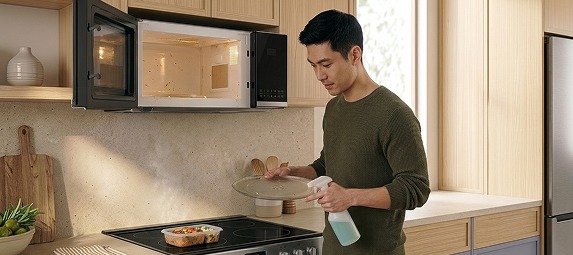
How to Efficiently Clean Your Microwave
A clean microwave heats better, smells better, and is much more pleasant to use every day. With a few simple supplies like water, lemon, white vinegar, and a soft cloth, you can remove splatters, odors, and spots without scrubbing for hours. Here is a practical method to clean the interior, exterior, and accessories, along with tips on knowing when simple maintenance is no longer enough.
Why clean your microwave regularly?
Regular cleaning prevents the buildup of grease, food residue, and bad odors. These deposits can harden with heat, becoming harder to remove and sometimes altering the taste of reheated food. A well-maintained appliance is also much nicer to use, especially in a family kitchen or small space. Maintenance doesn't need to be complicated. A quick wipe after splatters, combined with a thorough cleaning each week or as needed, is usually enough. Whether you have a compact, black, stainless steel, or higher-wattage model (1000W–1200W), the key steps remain the same.
How to clean the inside without damaging it
The best approach is to soften grime using steam before wiping it away. Fill a microwave-safe bowl with water and add a few lemon slices or a splash of white vinegar. Heat it for a few minutes, leave the door closed briefly to trap the steam, then wipe down the walls with a soft cloth or non-abrasive sponge.
This method works because steam loosens dried residue while reducing the need for harsh chemicals that leave strong smells or require extensive rinsing. For stubborn spots, repeat the steam process rather than scraping with metal tools.
Step-by-step cleaning method:
-
Remove the turntable plate and roller ring.
-
Place a bowl of water with lemon or vinegar inside.
-
Heat until steam forms.
-
Let it sit for a few minutes with the door closed.
-
Wipe the interior walls, door, and rubber seals.
-
Wash the turntable plate separately in warm, soapy water.
-
Dry all parts thoroughly before reinstalling.
Tip: Avoid pouring water directly inside the microwave to protect the ventilation vents. If odors persist, place an open bowl of baking soda inside overnight while turned off.
Care for the exterior and special finishes
-
Stainless steel: Prone to fingerprints near handles and control panels. Use a slightly damp microfiber cloth, wiping in the direction of the grain, then dry with a clean cloth.
-
Black surfaces: Dust and grease show easily. Soft wiping with mild soapy water works best; avoid abrasive powders or harsh scrubbing pads.
-
Control panel: Use a damp—never soaking wet—cloth around buttons or touchscreens and dry immediately.
Common mistakes to avoid
-
Using steel wool or wire brushes.
-
Spraying cleaners directly onto air vents.
-
Heating empty bowls or non-microwave-safe containers.
-
Leaving splatters to harden for days.
-
Cleaning the unit while plugged in when working around vents/panels.
-
Forgetting to clean under the turntable track.
Cleaning frequency & prevention
Spot-cleaning splatters right away takes seconds. Perform a thorough cleaning once every 1–2 weeks depending on usage. Using a microwave splatter cover drastically reduces mess and keeps interior surfaces clean longer.
When Cleaning Is No Longer Enough
Even with proper maintenance, certain signs indicate that you should inspect the appliance or consider replacing it. Persistent odors after several cleanings, sparks, a turntable that no longer rotates properly, or a door that doesn't seal correctly should not be ignored. In these cases, stop using the unit if you suspect a safety issue and consult the manufacturer's recommendations.
If you need to replace your appliance, compare your needs before looking solely at the price. A small or compact microwave is well-suited for limited counter space, apartments, or secondary kitchens. A more powerful model may be more practical if you frequently reheat large portions or dense meals.
To shop smart, keep an eye out for sales, discounts, special offers, or clearance deals. You might find an affordable unit that meets your needs without paying for unnecessary features. The main priority is to choose an appliance tailored to your space, usage frequency, and cooking habits.
A Simple Routine to Keep Your Appliance Spotless
Regularity remains the best strategy. Keep a soft cloth handy in the kitchen, cover dishes that splatter, and quickly wipe up spills before they dry. In just a few minutes, your microwave stays clean, odor-free, and ready for the next meal.
Remember this above all: steam loosens grime, a soft cloth protects, and prevention saves time. Whether you use a large family model, a small microwave, or a compact unit in a corner, these simple habits extend user comfort and keep your kitchen tidier every day.
FAQ: Microwave Cleaning and Maintenance
Can you clean a microwave with white vinegar?
Yes. Mix water and a bit of white vinegar in a microwave-safe bowl, heat to create steam, then wipe down. Vinegar helps loosen residue and reduce odors.
Is lemon effective for removing odors?
Yes. Lemon freshens the interior and steam softens stains. Heat water with lemon slices, let it sit for a few minutes, then wipe clean
How do you remove a burn stain in a microwave?
Start with the steam method (water + lemon or vinegar), then wipe with a non-abrasive sponge. Repeat as needed rather than scraping, to avoid damaging the walls.
Can you use a heavy-duty degreaser?
It's best to avoid harsh chemicals. They can leave lingering smells, require multiple rinses, and damage certain surfaces. Stick to soapy water, white vinegar, or lemon.
Should you clean the turntable plate in the dishwasher?
Often yes, if permitted by the manufacturer. Otherwise, hand-wash it in warm, soapy water and dry thoroughly before replacing it.
How often should you clean your microwave?
Wipe it down after splatters and do a full cleaning about once a week (or more frequently with heavy use).
Why does my microwave smell bad even after cleaning?
Hidden residue (under the plate, around the door seals) or grease buildup may remain. Clean those areas, air out the microwave with the door open, and leave a bowl of baking soda inside for several hours to absorb odors.
What should you do if the microwave sparks?
Stop using it immediately. Check that there are no metal objects, aluminum foil, or burnt food residue inside. If the issue persists, consult the manufacturer or a professional.